

Picture this: You and your partner have been eagerly planning a family vacation. Excitement fills the air as you anticipate uninterrupted quality time and the promise of making lasting memories together. However, amidst the breathtaking scenery and shared joy, something unexpected happens.
Your partner, who took time off work for this trip, takes out their phone and engages with work emails and tasks. The commitment to savoring time together appears to crumble.
The hurt cuts deep.
You say to your partner with a tone, “I’m angry you’re working on your phone. Can you get off of it?” Now, let’s say your partner gets a bit upset too and defends, “I want to make sure everything is in order. I work hard, and it’s not recognized.” So you, in turn, get more upset, and before you know it, you’re both caught in a common tornado, feeling disrespected and disconnected.
What are you really fighting about?
These moments are common in relationships, even if they they manifest through passive aggression or “cold wars.” When you notice recurring patterns, it’s essential for both partners to reflect on what is truly upsetting them. It’s less about the content and more about the meaning behind the fight.
For instance: You may be seeking closeness and your partner’s care, wanting this time to be about your connection. Meanwhile, your partner, concentrating on work, may be seeking control and appreciation.
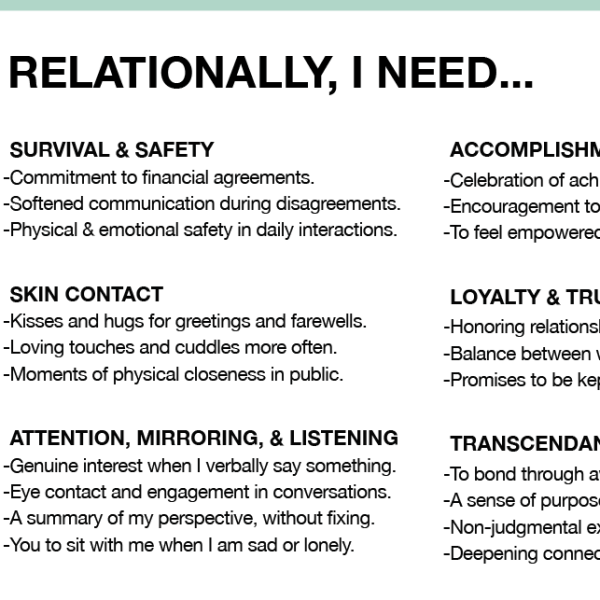
The initial step involves recognizing the unmet needs and core wounds that underlie your negative feelings, body sensations, thoughts, or actions. Once you’ve gained awareness, communicate from this more sensitive and deeper place.
Okay, I’ve delved deeper, but I’m still hurt.
Lingering hurt may signal the need to delve deeper within yourself for potential healing of unresolved wounds. It may also indicate the need for a repair from the partner who broke the connection. Essentially, you may need a redo.
In a perfect world, you might say something like: “I truly appreciate your hard work and passion. When you work during our vacation, it makes me feel hurt and insignificant, as if the promise we made was broken. I’m very sensitive to these feelings. And our time together means a lot to me.”
Your partner could respond: “I understand and I also want to connect. Sometimes it’s hard for me when I feel anxious about work. I recognize it’s something I need to address and I’m sorry. I commit to finding healthier ways to cope with anxiety during our trips.”
Then, your partner gets back on their phone and checks notifications—really? Jokes aside, breaking the cycle of old habits and dynamics is challenging. The goal isn’t to respond perfectly in times of conflict. Instead, it demands genuine dedication, persistence, and compassion from both partners, including healing their own past wounds. It may also require taking a hard look at whether both are willing to put in that work.
A tip about recurring fights:
No matter how often the same fights resurface, the hurt you experience doesn’t have to translate into hurting your partner. It’s crucial to center the issue around your partner’s actions (or inactions) and express how these behaviors negatively impact you without attacking the essence of who they are, or what it means about you as a couple. When we shame our partner’s mess ups as fundamental flaws in their character, we only deepen the disconnection, leaving both parties feeling isolated. Addressing specific actions allows for understanding and growth, fostering a stronger connection.
The core message:
The next time you find yourself hurt by your partner’s actions or inactions, remember: It’s okay to feel upset about what happened without letting it overshadow your appreciation for them. It’s important for both of you to dig deeper into your own world and share what is really going on, and sometimes, seeking the guidance of a therapist can be beneficial. Respect and mutual connection, in its truest forms, thrive in shared vulnerability, understanding both sides of the story.
This article is not intended for relationships involving domestic violence or abuse. If you are experiencing this, please seek the care you deserve by calling 1-800-799-SAFE.



 Healthful