

If you find yourself acting out of character in a long-term intimate relationship, it’s common to attribute these less-than-stellar moments to your partner. And in some ways, you’re right. IFS founder Richard Schwartz calls intimate partners our “tormentors,” unknowingly triggering our unresolved wounds and serving as mentors towards personal growth and healing. That is, if we allow it. If you’re grappling with feelings of being stuck, hurt, or questioning your relationship, consider turning inward for clarity and awareness.
Self-awareness is like being your own nonjudgemental storyteller, observing your actions, thoughts, emotions, desires, and personality, and how your experiences align with your inner values. The following questions will spark self-reflection, offering invaluable and objective insights to help shape the secure you in relationships. Grab a pen and paper – let’s spend quality time with you:
1. How does your upbringing shape your views?

Our sense of self continually evolves, from early interactions with caregivers to relationships with family, friends, and colleagues. Values, expectations, and relational patterns within our families carry forward through generations, shaping who we are. In a new relationship, your worlds converge, creating a unique culture with diverse perspectives, for better or worse. It’s helpful to understand concepts like:
- Meta-emotions: Our feelings about our feelings, such as labeling ‘anger, fear, or sadness’ as bad.
- Enmeshment: The absence of personal boundaries, which can hinder the development of a unique identity and autonomy.
- Differentiation: The ability to maintain a distinct identity while still remaining emotionally connected to family members. We don’t fear what is different between us, we embrace it.
- Boundaries: Emotional, physical, and energetic borders that individuals establish to protect their well-being. They define our own limits and responses: “If a specific behavior (X) occurs, I will take a particular action (Z) to protect my well-being and maintain the integrity of the relationship.”
- Trauma (‘Big T’ and ‘little t’) – Big T includes adverse childhood experiences (ACEs) like physical, emotional, or sexual abuse, neglect, parental divorce/separation, domestic violence, substance abuse, mental illness, or family incarceration. ‘Little t’ refers to those less memorable yet equally hurtful experiences like ongoing criticism and ‘non-events,’ such as unmet emotional needs for validation, acceptance, or acknowledgment by parents or peers.
Reflecting on these aspects, especially ACEs, can be a profound journey that’s often best undertaken with outside supports, including a trusted therapist.
Reflect:
1. How did your family handle emotions like anger, fear, or sadness? How has this influenced your relationship with your own feelings, or your partner’s feelings?
2. Can you identify instances in your upbringing where personal boundaries between family members were lacking or too rigid?
3. Were you able to maintain a distinct identity, while staying emotionally connected to your parents? How has this dynamic, or its absence, impacted your understanding of individuality within relationship?
4. What sort of struggles and strengths have you noticed in your parent’s upbringings? Were any of these prevalent in your upbringing and current life?
2. How do you relate and bond with others?

Attachment theory offers insights into how early interactions with caregivers shape your emotional development and influence your relationships throughout life. While identifying your attachment style (anxious, avoidant, fearful/disorganized, or secure) can be enlightening, try focusing less on what category you fit into and more on how each of these patterns manifest in your daily life and across different relationships.
At our cores, we all seek secure, consistent, and loving connections. We also need autonomy and freedom. The goal is to work daily toward achieving a secure attachment, feeling at ease and self-regulated in intimate relationships, while maintaining confidence in yourself and others.
Reflect:
1. Do you need excessive reassurance or worry about your relationships often? How does this impact your relationships?
2. Do you keep distance from others, fear being intimately known, or emphasize self-reliance? How does this impact your relationships?
3. What do you notice in your body when becoming emotionally close to another person?
3. What values guide your long-term relationships?

Our perspectives on long-term relationships, whether monogamous or not, are deeply shaped by our backgrounds, cultures, experiences, and personalities. Take, for instance, a man I once knew. Growing up in the midst of his parents’ unhappy marriage, he vowed never to follow the same path. He saw traditional marriage contracts as breeding complacency and prolonged unhappiness. Yet, he held a deep appreciation for committed, long-term partnerships, navigating their highs and lows with the dedication of a spouse. And, he honored his younger self when it was time to let go.
Like this man, some see long-term relationships as ever-evolving commitments, while still honoring if it’s best for the relationship to end. Others hold unwavering commitment, ruling out separation as an option. The type of relationships you choose depends on your life vision, core needs and values: dedication, honesty, intimacy, independence, growth, family, compatibility, security, vitality, passion, adventure, autonomy, and more.
Reflect:
1. What core values and needs do you hold when it comes to long-term relationships? Explore the beliefs that drive your commitment to others.
2. Consider how your values have evolved over time and why.
3. How do your values align with those of your primary partner, or potential partners? Reflect on how these may impact the dynamics of your relationships.
4. Are you attuned to your thoughts, emotions, behaviors, body and needs?
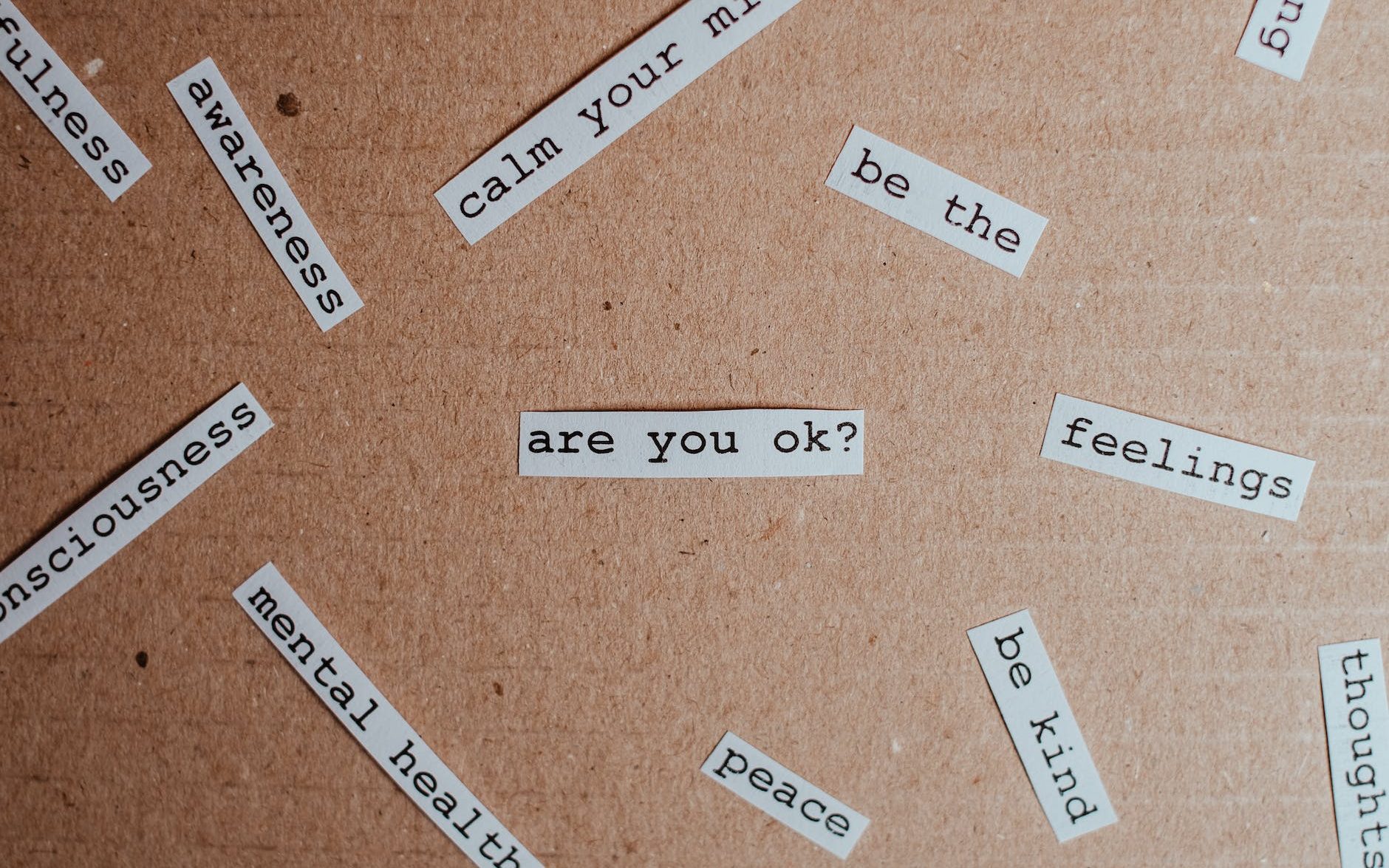
I will demonstrate this question by sharing my present moment experience. Right now, I’m filled with a mix of inspiration and feel it in my heart and chest area, but I also sense tension in my shoulders and neck, with a slight weariness across my body. In my thoughts, both positive and negative, I’m genuinely hopeful this post will support someone in their relationship. Simultaneously, I wonder if this information may seem overwhelming, questioning why my spacial-learning qualities sometimes find it challenging to keep things concise. What I am needing is for a stretch break, a good meal, and to connect with a friend. My current actions include typing, wiggling in my chair, and humming to music.
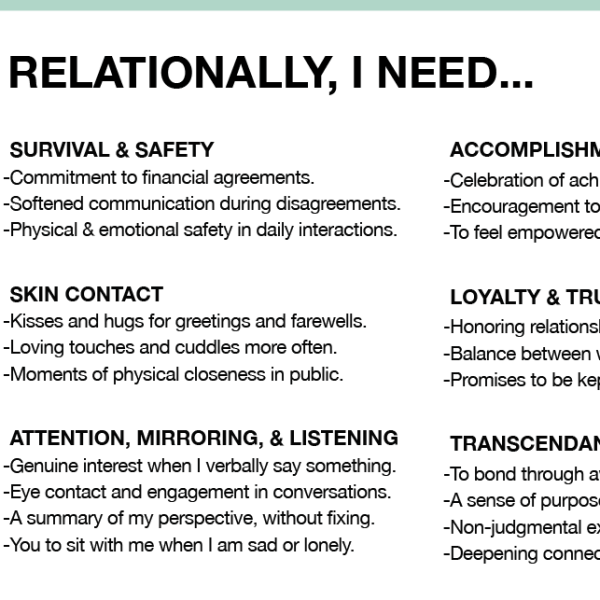
Over the years, I’ve honed this ability to assess my emotional state in each moment, but even right now, I have my emotions and needs inventory printout close by. You don’t need to be hyper-focused on your emotional world every moment, but dedicating time to better understand yourself in real-time is invaluable for healthier relationships. It’s about understanding:
- Triggers: Events or stimuli that impact our emotions, thoughts, behaviors, and bodily sensations, both positively and negatively.
- Emotions: Complex, subjective, and fleeting physiological states crucial for our survival.
- Thoughts: Including Negative Automatic Thoughts (NATs), which we all experience and are linked to our core beliefs (e.g. “I am enough”, “I am loved”, “I am worthy.”).
- Behaviors: Our action-based responses to emotions and thoughts.
- Needs: Both physical, emotional, social, and spiritual.
- Longings and desires: Often rooted in our childhood.
Reflect:
1. In this moment, are you able to label 1-3 emotions you’re experiencing, both positive and negative? How would you describe the range and intensity of your emotions on a scale of 1-10?
2. Are you able to locate where these emotions show up in your body, positive and negative?
3. Are you aware of Negative Automatic Thoughts (NATs) you experience? How do your core beliefs, such as your sense of self-worth and love, influence your NATs?
4. How in tuned are you to your needs right now? What about longings and desires?
5. What are your self-soothing strategies?

Your nervous system responds to emotional challenges with instinctual responses like fight, flight/freeze, and fawn/fix. Identifying your reaction to challenging emotions is the first step in the art of self-soothing. By tolerating distress, you enhance your resilience in handling relationship challenges, ultimately benefiting both you and your partner’s nervous systems.
For example, from the previous paragraph reflection to now, I tended to my needs with a well-deserved break, including a sunny walk while chatting with a friend. Now, I feel calmer, my breath is slower and deeper, and my mind is clear. If I had pushed through and neglected my emotions and needs to finish this blog post, I would likely be exhausted and feel that familiar internal hum in my body, a sign of an overtaxed nervous system. Facing a relational challenge in this depleted state would result in a very different response compared to my current state of met needs, balance, and calmness.
Reflect:
1. Can you identify whether you tend to fight, flee, freeze, fix, or engage in a fawning response when faced with challenging emotions?
2. What are your go-to methods for calming yourself? Name both healthy and unhealthy coping tools. How effective are your methods for promoting emotional well-being for your relationships?
3. How do your methods align or conflict with your partner’s responses to emotional challenges?
6. What is your communication style?

Your communication style comes down to how you express yourself through words, tone, body language, actions, and energy. Styles encompass passive, aggressive, passive-aggressive, and assertive, involving both verbal and non-verbal aspects. They range from detailed to vague, engaging to unenthusiastic, and shared as in-person or in-text interactions.
Active listening and reflective listening are equally crucial, with the listener’s style shaping the communication dynamic in your relationship. The interplay between the speaker’s and listener’s styles, as well as their ability to self-soothe, significantly influences the quality of overall communication. A skilled listener fully engages, conveyed through their body language, actions, and energy. Additionally, it’s essential to be aware of when a listener might be overwhelmed and flooded, leading to defensive reactions like blame, dismissal, or deflection.
Reflect:
1. How do you typically express yourself through words, tone, body language, and actions in your relationships? How does your partner?
2. How do your listening habits influence conversations within your relationships?
3. How do you think others perceive you when you are speaking and when you are listening?
7. How do you handle conflict?

Conflict is inevitable in relationships and is, in fact, essential for maintaining a healthy one. The key is learning how to navigate conflict when it arrises, and this can be a challenging skill set. Take the story of a woman from a low-conflict family where anger and resentment simmered beneath the surface, expressed through passive aggression, broken promises, emotional distance, distress intolerance and high-functioning addiction. On the opposite end, high-conflict families may include yelling and criticism that overrides other’s consideration, falsely believing that healthy includes prefacing with a “no offense” and “just being honest.” Both scenarios lack a healthy template for constructive conflict.
Before learning how to engage in healthy conflict, we have to deeply understand and start to notice how we show up, or don’t show up, in real-time within relationships. Once we recognize our patterns, we can explore ways to better empathize, collaborate, compromise, and problem-solve.
Reflect:
1. How would you describe your fighting style? Does it vary depending on the situation?
2. When conflict arises, how do you feel in your body? What are common emotions and thoughts you have? Are you able to maintain a calm, adult perspective on the situation?
3. Are there patterns you’ve noticed in how you and your partner(s) engage in conflict?
4. If you could imagine the perfect fight with your partner. What would it look like?
8. What biases hinder your ability to be influenced by others?

Research shows that allowing your partner to positively influence you during disagreements strengthens your relationship. There are complex reasons it may be hard to allow your partner to influence you. One could be power struggles or feelings of helplessness, others are no doubtably the internalized biases we each hold whether we like to acknowledge it or not.
It’s essential to work on recognizing and addressing these biases and enmeshment issues, especially regarding those who look, believe, think, or live differently from us. This also applies to the power dynamics in a relationship when one person holds more societal status than the other. Even in my relationship with my nonbinary trans identical twin, I must acknowledge the privilege and power differences we hold. If you are in a relationship with someone from a marginalized community, reflect on how you accept or do not accept their influence, especially during conflicts.
Reflect:
1. Consider a recent situation where your partner or friend had a different perspective or solution. Were you receptive to their input? Why or why not?
2. Reflect on whether your beliefs, gender or sexual identity, cultural background, spirituality or personal experiences play a role in shaping how open you are to others.
3. Can you identify any biases or fears that might affect your ability to be influenced by your partner?
9. How do you repair or redo a mistake?
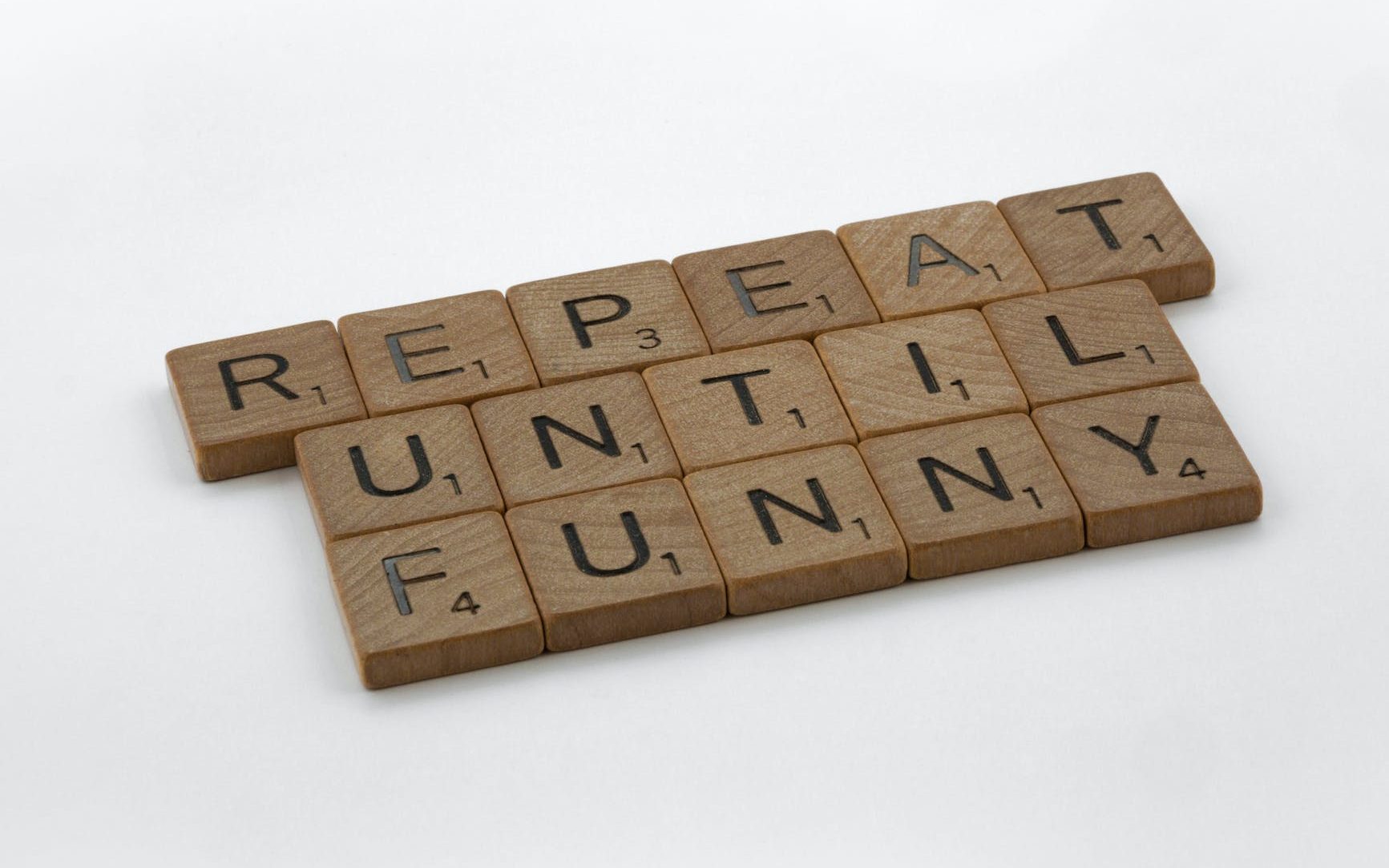
The process of repair and redo is one of my favorite parts of relationships, whether it involves romantic partners, siblings, friends, or parent/child relationships. Repairs can be as simple as injecting humor during a disagreement or expressing a desire to work things out together. They can also be more structured, especially after a betrayal and regrettable incident. Redos involve catching a reaction or wrong-doing, acknowledging your impact, asking for another chance and trying again.
As humans, we are inherently imperfect and can always own our part in the complex dance of our relationships. Therapy can help remove barriers that hinder effective repairs, such as shame and low self-worth, vulnerability, power dynamics, personalization, unhealed trauma, identity issues, and fears. Additionally, it’s valuable to reflect on what your belief and expectations are when it comes to saying sorry in relationships.
Reflect:
1. Think about a recent negative interaction with someone. Could you have handled or said something differently? How?
2. What might make it challenging for you to initiate a repair or redo with a partner or friend?
3. What are your beliefs and expectations when it comes to apologizing in relationships? How do you respond if the other person will not apologize?
Reflection

Photo by me, Alli.
Relationships are complex, challenging, and beautiful. I felt inspired to write this post because I’ve seen that improving a couple’s relationship and maintaining change is nearly impossible without self-awareness and ongoing self-reflection. If you are seeking therapy to improve, save, or even amicably end your relationship, the first step is gaining a better understanding of you and you in relationships. It’s not an end-all-be-all-solution, but serves as the catalyst for profound relational change and fulfillment. Stay tuned for more relationship insights, and thanks for spending time with me. May you be well. May you be healthful.
This article is not intended for relationships involving domestic violence or abuse. If you are experiencing this, please seek the care you deserve by calling 1-800-799-SAFE.



 Healthful